PDF Max Study vs Anki: built-in source practice or dedicated flashcards?
Compare PDF Max Study and Anki for question authoring, source return, spaced scheduling, practice, progress, media, customization, and PDF workflows.
Direct answer
Should you use PDF Max Study or Anki for spaced practice?
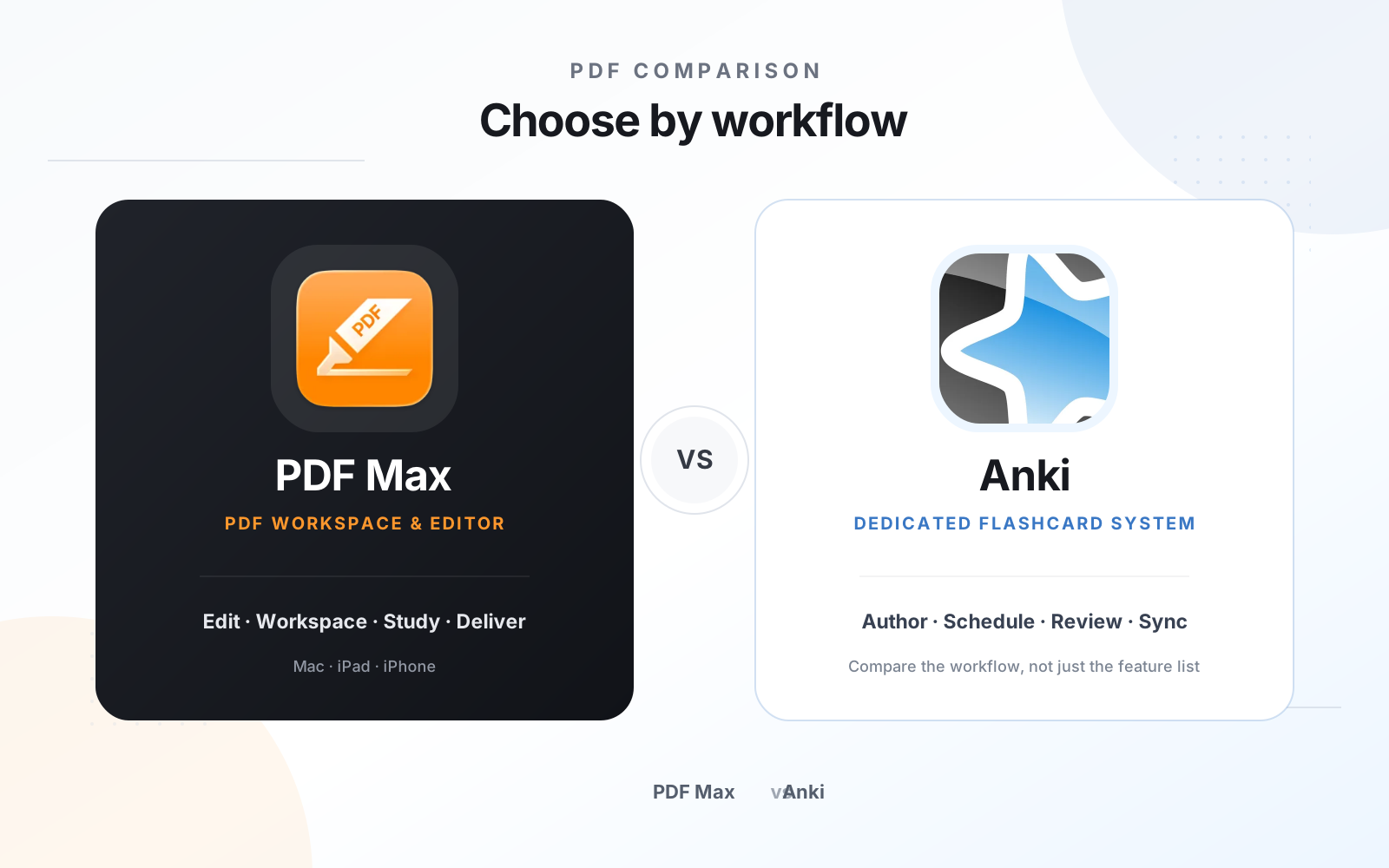
Choose Anki when you want a dedicated, cross-platform flashcard system with FSRS scheduling, extensive customization, large decks, synchronization, imports, and add-ons. Choose PDF Max Study when Questions should be created from trusted Workspace Cards, remain linked to exact PDF evidence, support scheduled and unscheduled practice, and stay inside the same app used to read, edit, present, protect, and deliver the document. The products overlap in practice, not in overall scope.
Anki and PDF Max Study both schedule questions for later review, but they are not substitutes at the product level. Anki is a dedicated flashcard ecosystem. PDF Max Study is a source-grounded learning workflow inside a PDF editor and Workspace.
The useful decision is therefore not “which has spaced repetition?” It is whether the learner needs a specialized card system or a shorter path from PDF evidence to review and back.
The short answer
Choose Anki when flashcards are the primary asset and you need FSRS, detailed deck options, very large collections, extensive templates, media, synchronization, imports, exports, or add-ons across platforms.
Choose PDF Max Study when Questions should remain attached to exact PDF evidence and the same source documents must also be read, edited, organized, presented, protected, and delivered.
Capability comparison
| Criteria | PDF Max | Compared app |
|---|---|---|
| Primary job | A learning loop included with PDF Max Free, built around source-linked Workspace Cards and Questions. | A dedicated, open-source, cross-platform flashcard program designed for active recall and spaced repetition. |
| Source connection | A Question points to its Card, and the Card returns to exact evidence in the original PDF. | Cards can contain text, images, audio, video, and scientific markup, but source provenance depends on what the author places in the note or template. |
| Question types | Supports basic, typed, cloze, multiple-choice, formula, image, and table-based Questions where available. Relationships connect Cards in Workspace rather than creating a two-source Question. | Uses notes, fields, templates, cloze deletion, typed answers, media, and customizable card generation. |
| Scheduling | Schedules each Question independently, exposes workload and upcoming reviews, and offers schedule tuning and device-local memory optimization. | Offers FSRS and legacy scheduling controls, desired retention, presets, daily limits, learning steps, lapses, and detailed deck options. |
| Practice outside the schedule | Practice can target a Workspace, document, Frame, selection, due set, or preset without changing the schedule. | Filtered decks and custom study can review ahead, cram, revisit failed cards, or target searched material under configurable rescheduling behavior. |
| Scale and customization | Designed for Questions derived from a PDF Max Workspace; it does not claim Anki's add-on, template, shared-deck, or massive-collection ecosystem. | Supports highly customized cards, add-ons, shared decks, synchronization, and collections that can contain very large numbers of cards. |
| PDF workflow | Includes PDF reading, annotation, editing, OCR, forms, conversion, Workspace, redaction, presentation, and delivery. | Does not function as a complete PDF editor; source material normally enters cards through manual authoring, media, imports, or other tools. |
Where Anki is the stronger fit
Anki has a mature scheduling and customization surface. FSRS, desired retention, deck presets, learning and relearning options, filtered decks, templates, fields, add-ons, shared decks, and synchronization make it suitable for learners who want deep control over a long-lived collection.
It is also content-agnostic. Languages, medicine, law, mathematics, music, and other subjects can share one card system. PDF Max does not claim full Anki or AnkiMobile parity, and this comparison should not imply it.
Where PDF Max Study is the stronger fit
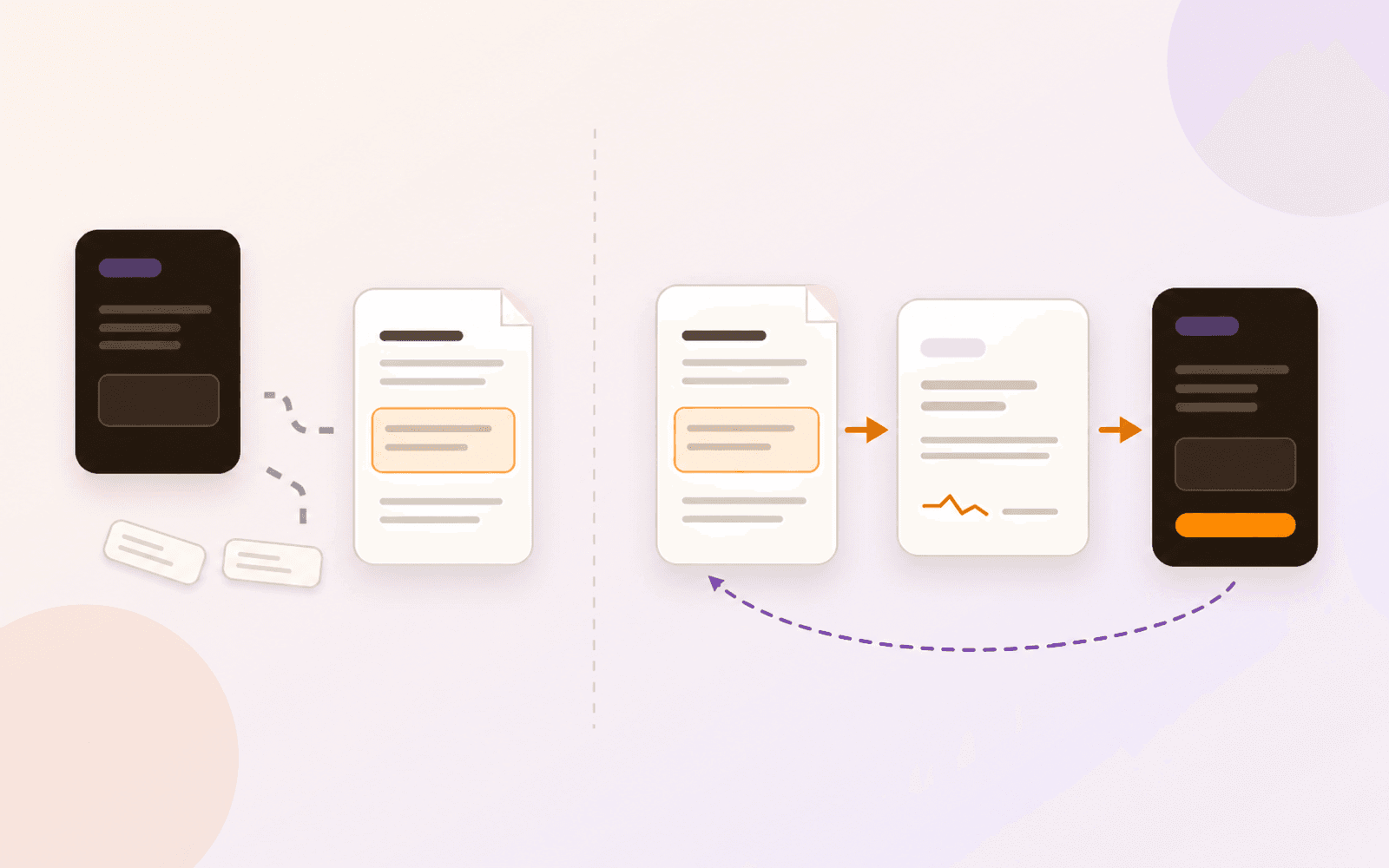
PDF Max reduces source friction. A researcher can capture an accepted passage, formula, table, or image region into a Card, create a Question, practice it, inspect Progress, and return to the original page without reconstructing where the fact came from.
That matters when context changes the meaning of an answer. It also matters when studying is only one part of the work: the same document may need annotation, correction, presentation, redaction, signing, or delivery.
Example: study a chapter and return to the source
Take a chapter containing a definition and a worked example. Create a question that asks when the definition applies, rather than copying the whole paragraph into an answer.
- Capture the evidence. In PDF Max, save the relevant passage as a Workspace Card. In Anki, create a note with the question and answer, and record the book or PDF title and page in fields. Anki's editing manual supports custom fields for information such as book and page; include those fields in the card template if you want them visible during review.
- Check the question. In PDF Max, author a Question from the Card and review the prompt and answer. In Anki, choose the note type and check the cards it generates. Keep only enough context to make the expected answer unambiguous.
- Review when due. Use PDF Max Study or select the Anki deck and study its cards. Attempt the answer before revealing it, then assess how well you recalled it.
- Resolve a mistake at the source. PDF Max takes you through the Question's Card to the original passage. With the manual Anki setup above, use the recorded title and page to reopen the PDF in your reader, then revise the note. Anki add-ons or custom links can change that path; they are separate from this basic example.
Choose Anki when control over notes, templates, and a reusable flashcard collection is central. Choose PDF Max when preserving the route back to the document is part of every review. See the PDF-to-Questions workflow for the latter.
Scheduling depth versus workflow continuity
Anki is the better benchmark for scheduler depth, card customization, imports, interoperability, and ecosystem scale. PDF Max should be evaluated on continuity: how quickly trusted source material becomes a useful Question and how reliably the learner can return to evidence.
The right test is a real chapter or source pack. Create representative typed, cloze, image, formula, and table Questions; practice them for several days; inspect workload; and correct a Question after returning to the source.
Which should you use?
Use Anki when the flashcard system itself is the product. Use PDF Max Study when source-grounded practice belongs inside a larger PDF workflow.
Using both may also be reasonable, but PDF Max does not currently claim Anki deck parity or a complete Anki interchange workflow. Do not plan around an integration unless the shipping product explicitly provides it.